
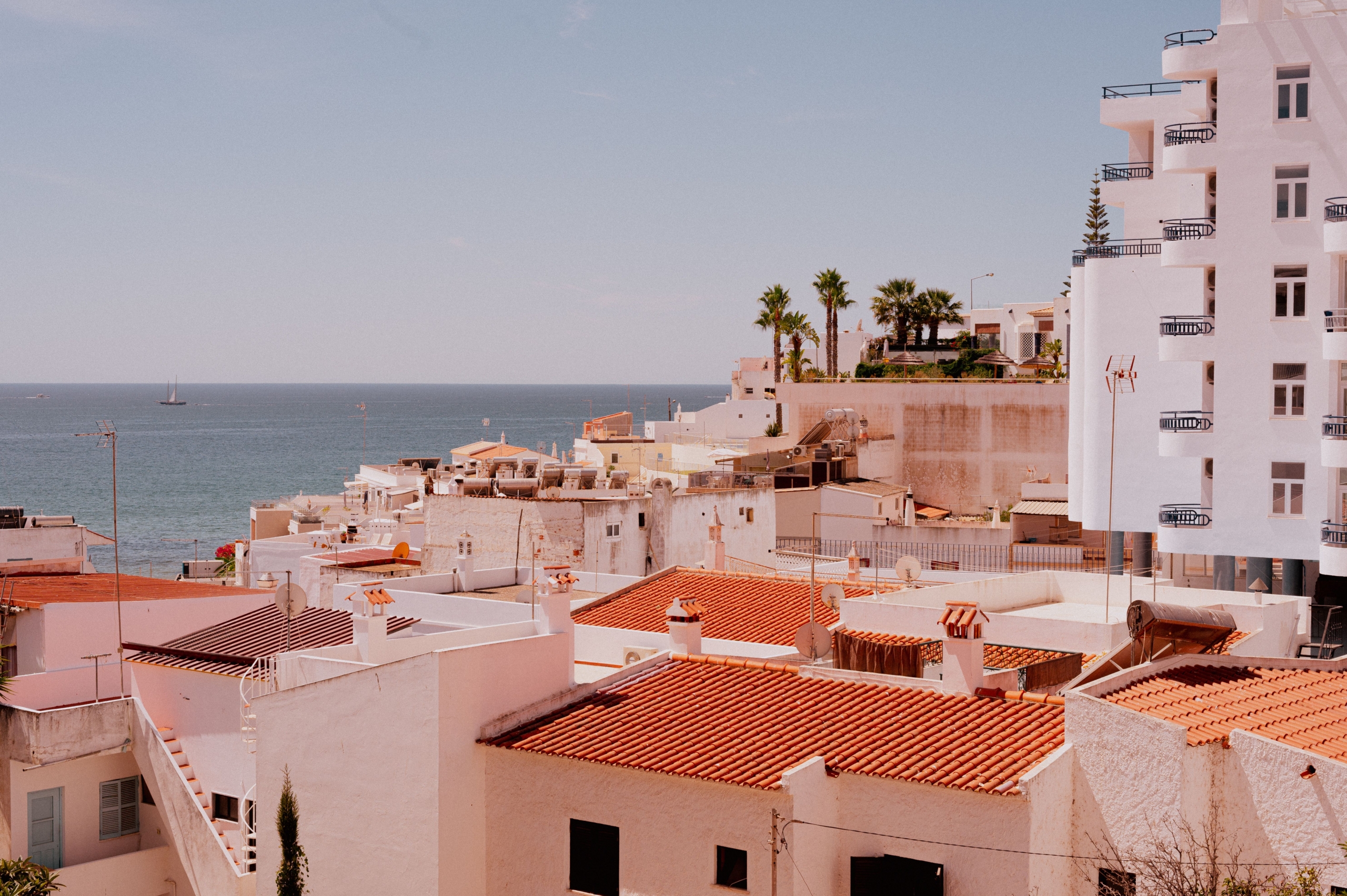
The enjoyable part is imagining mornings by the pool and long evenings on the terrace. The successful purchase, however, comes from matching that dream to the right location, property type and budget. Foreign exchange, legal checks, pool and extension licences, maintenance, rental rules and winter comfort can all affect whether a villa remains a pleasure to own.
This positive but practical guide explains what to consider before you buy a holiday villa in the Algarve, from choosing between Lagos, Vilamoura, Carvoeiro, Albufeira and Tavira to protecting your sterling budget and completing the purchase confidently. You can also begin by browsing current property for sale in Portugal.
Key Takeaways
- The Algarve offers distinct markets: the west is dramatic and outdoors-focused, the central Algarve is highly established, and the east is quieter and more traditionally Portuguese.
- Choose a villa for the way you will really use it. Pool maintenance, garden size, stairs, security and winter heating matter as much as bedroom count.
- If your money is in sterling but the villa is priced in euros, plan the currency conversion before signing a binding contract.
- Use an independent Portuguese lawyer to check title, planning, habitation status, pools, extensions, debts and rental permissions.
- Portugal’s 2026 tax rules can apply a 7.5% IMT rate to many non-resident residential purchases, subject to statutory exceptions and refund provisions.
- A holiday villa can produce rental income, but Alojamento Local registration, municipal rules, condominium conditions and realistic operating costs must be checked first.
- Buying property and obtaining Portuguese residency are separate matters.
Why an Algarve Holiday Villa Still Has So Much Appeal
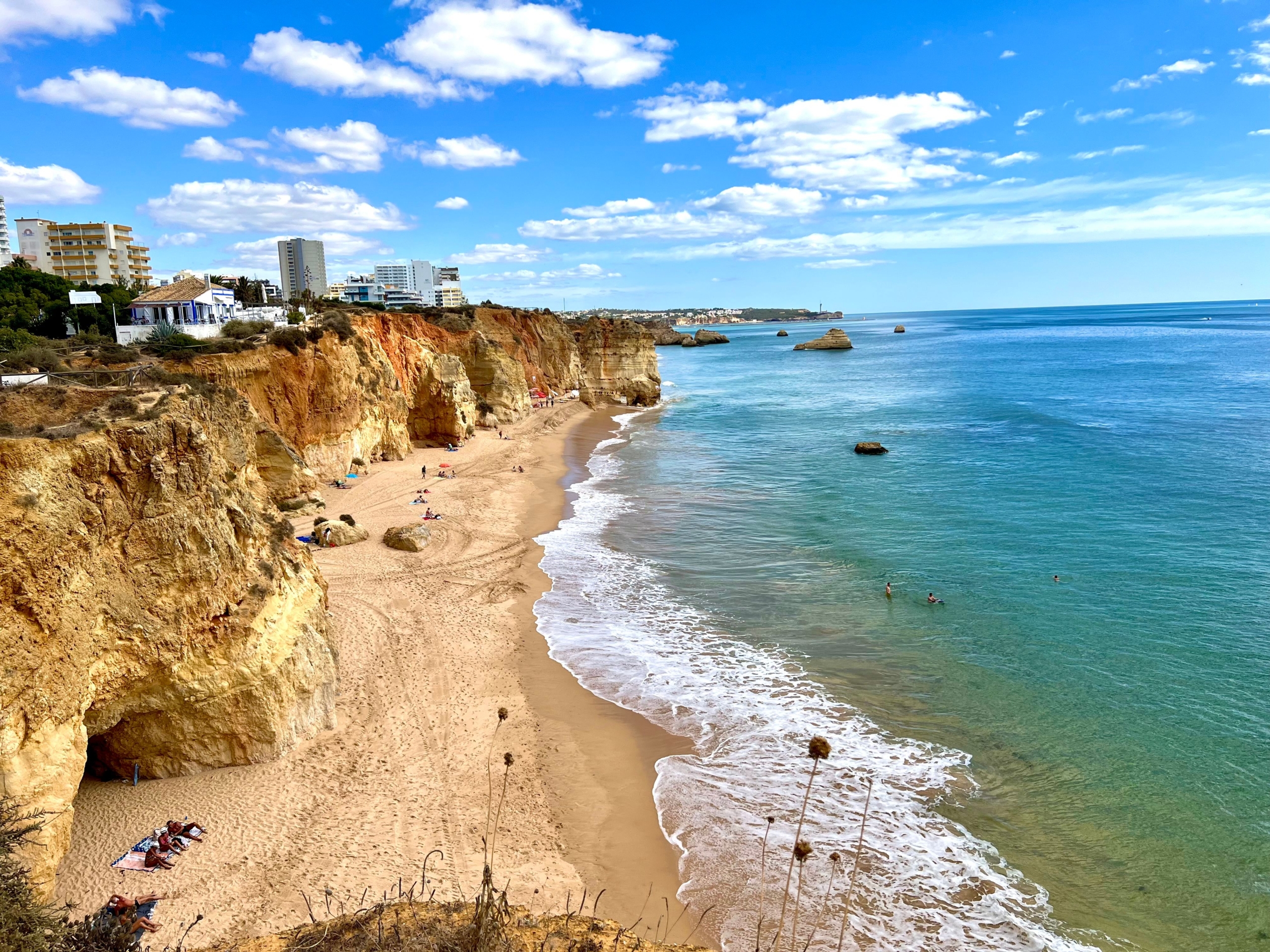
The Algarve has developed into one of Europe’s most mature second-home destinations without losing the variety that makes it interesting. Faro Airport provides an accessible gateway, English is widely understood in the international property market, and owners can choose between active resorts, historic towns, fishing communities and rural surroundings.
A villa also gives holiday-home buyers something an apartment may not: private outside space. A pool, shaded dining area, barbecue terrace, garden and extra bedrooms can make longer family visits far more comfortable. For multigenerational holidays, a ground-floor bedroom or separate guest annexe can be especially valuable.
The wider Portuguese market has remained active. Statistics Portugal reported that its national House Price Index increased by 17.8% year-on-year in the first quarter of 2026. That national figure should not be treated as a promise about an individual villa, but it underlines why buyers need to compare asking prices, condition and exact location carefully.
Where Should You Buy a Villa in the Algarve?
The Algarve is not a single, interchangeable resort. Driving times, beaches, wind, winter activity, rental seasons and property styles change noticeably from west to east. Visit shortlisted areas at different times of day and, ideally, outside peak summer before deciding.
Lagos and the Western Algarve
Lagos combines an attractive historic centre, marina, dramatic beaches and an international community. Nearby Praia da Luz is established with holiday-home buyers, while Burgau and Salema offer a smaller coastal-village atmosphere. Buyers seeking more space may explore inland villages within driving distance of the coast.
Good for: active holidays, beaches, walking, surfing, character and a lively town that functions beyond high summer.
- Pros: Striking coastline, strong lifestyle appeal, broad choice of villas and good access to restaurants and services.
- Cons: Prime sea-view homes command premiums; exposed locations can be windy; Faro Airport is farther away than the central Algarve.
Portimão, Alvor and Surrounding Areas
Alvor combines a traditional centre and estuary boardwalk with beach access and a strong holiday identity. Portimão provides larger-town services, shopping, healthcare and a marina. Surrounding residential areas can provide detached villas within practical reach of both.
Good for: buyers who want beaches and resort amenities with everyday services nearby.
- Pros: Good infrastructure, established tourism, broad property choice and access to shops and services.
- Cons: Location quality varies street by street; some districts are busy in summer; views and walkability significantly affect value.
Carvoeiro and Lagoa
Carvoeiro is a popular villa market built around coves, cliffs and a compact centre. Lagoa and nearby communities provide access to beaches, golf and international schools. Buyers will find established villas, resort homes and modern properties, often with pools.
Good for: families, beach access, golf and an established central-west Algarve base.
- Pros: Attractive coastline, well-established villa rental market and central position for exploring the Algarve.
- Cons: Some hillside homes involve steep walks; older villas may need energy upgrades; popular locations can be expensive.
Albufeira and Its Quieter Neighbours
Albufeira is one of the Algarve’s best-known tourism centres, offering beaches, entertainment and a large supply of holiday accommodation. Buyers who like the accessibility but prefer a calmer base can consider surrounding communities rather than the busiest central streets.
Good for: holiday convenience, nightlife, family attractions and buyers prioritising established visitor demand.
- Pros: Central location, extensive amenities, recognised tourism market and many villa styles.
- Cons: Very busy districts may not suit buyers seeking peace; seasonality and local rental competition need careful assessment.
Vilamoura, Quinta do Lago and Vale do Lobo
Vilamoura is associated with its marina, golf and planned resort environment. Quinta do Lago and Vale do Lobo occupy the Algarve’s premium end, with prestigious villas, golf, beach access and managed surroundings. These locations appeal to buyers who value convenience, presentation and established luxury infrastructure.
Good for: golf, marina life, luxury villas, resort services and buyers seeking a polished environment.
- Pros: Strong international profile, high-quality amenities, security options and attractive resale audience.
- Cons: High entry prices; resort and community charges can be substantial; buyers should distinguish freehold ownership from contractual resort obligations.
Faro, Olhão and Tavira
The eastern Algarve has a different atmosphere, shaped by the Ria Formosa, historic towns and island beaches. Tavira is especially popular with buyers wanting elegance and a slower pace. Olhão has a working-town identity, waterfront and ferry access, while areas around Faro provide airport convenience and year-round services.
Good for: buyers wanting a more Portuguese atmosphere, historic towns, nature and easier airport access.
- Pros: Character, year-round communities, access to the Ria Formosa and often better value than the most prestigious central resorts.
- Cons: Many beaches require a ferry or boat; the coastline feels different from the western Algarve’s cliffs and coves; rental patterns vary by location.
The Algarve Interior
Villages and countryside north of the main coastal strip can provide larger plots, privacy and a more peaceful lifestyle. A rural villa may be only a short drive from the coast while feeling completely removed from the resort environment.
Good for: space, views, gardens, privacy and buyers comfortable driving.
- Pros: More land for the budget, quieter surroundings and scope for a distinctive home.
- Cons: A car is essential; wells, septic systems, boundaries and access require extra checks; garden management and wildfire preparation may add work.
Which Type of Algarve Villa Is Right for You?
Detached Villa with a Private Pool
This is the classic holiday-home choice. It offers privacy and family appeal, but the pool must be cleaned, chemically balanced and maintained even when the owner is abroad. Check whether the pool is correctly licensed and shown in the property documentation rather than assuming its physical existence proves legality.
Resort or Golf Villa
A managed resort can make ownership easier by providing security, landscaping, communal amenities and optional rental management. Ask for every annual charge, management agreement, usage restriction and planned increase in writing. Convenient ownership is valuable, but it needs a transparent budget.
Town Villa or Townhouse
A townhouse near restaurants and beaches may reduce the need to drive and can be easier to lock up and leave. The trade-off may be less privacy, a smaller pool or membership of a condominium. Review condominium minutes, insurance, reserves and upcoming works before buying.
Traditional Quinta or Rural Home
Traditional properties can offer tremendous character, thick walls, mature trees and land. They also demand stronger due diligence. Confirm boundaries, road access, water supply, septic arrangements and whether every structure is licensed and registered.
New-Build or Off-Plan Villa
A modern villa may offer better insulation, efficient glazing, contemporary layouts and lower initial maintenance. For an off-plan purchase, have your lawyer investigate the developer, land, planning permission, construction timetable, specification, guarantees and protection of staged payments.
The Practical Villa Checklist
It is easy to be won over by the view. Spend equal time examining how the villa will work during a normal stay and during the months when nobody is there.
- Sun and shade: Is there comfortable shade for outdoor dining as well as sunny pool space?
- Winter comfort: Check heating, insulation, glazing, damp and orientation. Algarve winters are mild, but an unheated villa can still feel cold.
- Cooling: Confirm air-conditioning condition, energy use and servicing history.
- Water: Look for leaks, irrigation costs, pool consumption and the reliability of any borehole or well.
- Access: Consider steep drives, steps, parking, luggage and older family members.
- Security: Assess shutters, alarms, lighting, local management and response arrangements.
- Connectivity: Test mobile signal and broadband if you expect to work remotely.
- Noise: Revisit in the evening and check roads, bars, building sites, flight paths and neighbouring rentals.
- Sea exposure: Salt air can increase corrosion and external maintenance.
- Storage: Owners who rent often need a lockable cupboard or room for personal belongings.
Foreign Exchange: Protecting Your Sterling Budget
An Algarve villa will normally be priced and completed in euros. If your savings or income are in pounds, the GBP/EUR exchange rate affects the real purchase cost. The rate is set by the market and can move between viewing, offer, deposit and completion; the Bank of England explains the forces that influence sterling exchange rates.
For example, a €500,000 villa costs approximately £416,667 at €1.20 to £1, but £454,545 at €1.10 to £1—a difference of nearly £38,000 before taxes and fees. This is an illustration, not a forecast, but it shows why currency should be part of the buying plan rather than a last-minute transfer.
A Sensible FX Plan
- Calculate the entire euro requirement, including deposit, taxes, legal fees and immediate works.
- Ask your lawyer for the likely payment dates and euro amounts.
- Compare the exchange rate and the total pounds payable, including transfer fees and receiving-bank costs.
- Discuss whether converting in stages or fixing a future rate is appropriate. A forward contract may provide certainty but can create binding obligations, so understand the terms and risks.
- Build a buffer for exchange-rate movement and unexpected euro costs.
- Verify any currency or payment-services firm independently. UK consumers can use the FCA’s guidance for checking a financial firm’s status and permissions.
Never change payment details solely because an email tells you to do so. Confirm bank instructions using a trusted telephone number, particularly before transferring a deposit or completion balance.
Legal Checks Before Buying an Algarve Villa
Appoint an independent Portuguese lawyer who represents you alone before paying a non-refundable reservation fee or signing a promissory contract. The lawyer’s job should include checking the seller’s right to sell and whether the property’s physical reality matches its official records.
Documents and Issues to Check
- Land Registry record and any mortgages, charges, rights or pending registrations
- Tax registration document and the official taxable value
- Habitation or use licence where required
- Planning approval for the villa, pool, garage, terraces, annexes and later extensions
- Energy performance certificate—the Portuguese energy authority confirms the certificate must be delivered when a sale contract is signed
- Property boundaries, access rights and correspondence between recorded and measured areas
- Condominium debts, insurance, meeting minutes, rules and proposed expenditure
- Tenants, occupants or third-party rights
- Any coastal, environmental, agricultural or heritage restrictions
- Alojamento Local registration and local rules if holiday letting matters to the purchase
A qualified surveyor or engineer should inspect the physical condition. Legal due diligence and a building survey are complementary: one checks rights and paperwork, while the other examines the structure, moisture, roof, electrics, plumbing, pool and likely repairs.
Taxes and Costs When Buying in 2026
Your professional adviser should calculate the taxes for the exact buyer and villa before you commit. The purchase price is only the starting point.
IMT Property Transfer Tax
IMT is normally assessed using the higher of the declared price and taxable value. A major 2026 change means that, under Article 17 of Portugal’s IMT Code, many non-resident acquisitions of urban residential property are subject to a 7.5% rate. Statutory exceptions and refund provisions exist, including in certain cases where the buyer becomes tax-resident within two years. Obtain transaction-specific advice rather than relying on an older online calculator.
Stamp Duty
Stamp duty on the property transaction is generally 0.8% of the higher applicable value. Portugal’s official property purchase guidance explains the main documents, taxes and stages. Additional stamp duty and banking costs may arise when financing is used.
Other Acquisition Costs
- Independent lawyer’s fees
- Surveyor or engineer’s inspection
- Notary, authentication and registration costs
- Bank valuation, mortgage and insurance charges where applicable
- Foreign-exchange spread and transfer costs
- Immediate repairs, furnishing and utility connections
Portugal’s Casa Pronta service can handle various acquisition and registration procedures together; its official page publishes the applicable service costs.
Annual Villa Running Costs
Prepare an annual ownership budget covering IMI municipal property tax, possible AIMI for higher-value holdings, insurance, pool care, gardening, utilities, alarm monitoring, condominium or resort charges, property management and maintenance. Add a reserve for exterior painting, air-conditioning replacement, pool equipment and weather-related repairs.
The 7-Step Algarve Villa Buying Process
- Set the complete budget: Include euros required for the property, tax, advice, FX, furnishing and first-year ownership.
- Choose the lifestyle area: Decide how important walkability, beach access, airport time, golf, nightlife, privacy and winter activity are.
- Arrange your NIF and funding: Buyers normally need a Portuguese tax number. Secure mortgage guidance early if borrowing.
- Appoint an independent lawyer: Do this before signing or paying a material, non-refundable amount.
- Make a documented offer: Record the price, included contents, timetable and any conditions such as finance, survey or satisfactory legal checks.
- Complete due diligence and sign the CPCV: The Contrato-Promessa de Compra e Venda records the parties’ obligations. A deposit around 10% is common but negotiable. Default consequences can be serious, so your lawyer must approve it.
- Complete and register: Pay the balance and taxes, sign the final deed or authenticated document and register ownership. Confirm utilities, insurance and management arrangements.
Video: Understanding the Algarve Buying Process
This step-by-step video from Mapro Real Estate gives prospective buyers a useful introduction to buying and selling in the Algarve. Treat it as general orientation and use your own independent lawyer and tax adviser for the transaction.
Can You Rent Out Your Algarve Villa?
A well-located villa with a pool can appeal to family holidaymakers, but purchasing on the strength of a gross weekly rental estimate is risky. Calculate net income after management, platform fees, cleaning, laundry, utilities, pool care, garden care, maintenance, insurance, tax and empty periods.
Short-term accommodation is regulated through Alojamento Local. The Portuguese Government states that an Alojamento Local establishment must be registered and that proof of civil liability insurance must follow registration. Municipal and condominium restrictions can matter, and the seller’s operation does not guarantee an identical position for the buyer. Make satisfactory confirmation of rental use part of the legal investigation if income is essential.
Also decide how much of the best summer period you want for yourself. A villa can be both a treasured family base and an income-producing asset, but the balance should be planned honestly.
Common Mistakes to Avoid
- Choosing an area after visiting only during peak summer
- Spending the whole budget on the asking price
- Ignoring sterling-euro exposure between deposit and completion
- Signing a reservation or CPCV before independent legal review
- Assuming the pool, annexe or enclosed terrace is legally recorded
- Skipping a technical survey because the villa looks recently decorated
- Underestimating pool, garden, resort and security costs
- Assuming holiday-rental permission is automatic or transferable
- Choosing a remote villa without planning local management
- Believing that owning the villa automatically grants residency
Find Your Algarve Villa with Buy Portugal Property
Buy Portugal Property helps international buyers discover Portuguese homes advertised by agents, developers and private sellers. Explore coastal villas, golf properties, modern homes, traditional houses and investment opportunities, then contact the advertiser for property-specific information.
The platform is part of the HomesGoFast international property network alongside HomesGoFast.com and EuropeanProperty.com. It provides a starting point for discovery and comparison; buyers should appoint independent legal, tax, technical and financial professionals before committing.
Your Algarve Villa Search Can Start with Confidence
Buying an Algarve holiday villa should be an exciting project. With the right preparation, it can give family and friends a welcoming base in one of Europe’s most enjoyable coastal regions for many years.
Start with the lifestyle you want, compare the Algarve’s different areas, choose a villa that will be easy to own, protect the sterling budget and insist on thorough legal and technical checks. That combination allows the positive side of ownership—space, sunshine, privacy and memorable holidays—to remain at the centre of the experience.
Browse villas and property for sale in Portugal and begin shortlisting Algarve homes that match your preferred location, budget and plans.
Frequently Asked Questions
Can foreigners buy a holiday villa in the Algarve?
Yes. Foreign nationals can generally buy Portuguese residential property without a Portuguese partner. Property ownership and immigration status are separate, so owning a villa does not automatically provide a right to live permanently in Portugal.
Which Algarve area is best for a family holiday villa?
Lagos, Carvoeiro, Alvor and many central Algarve communities are popular family choices because they combine beaches, restaurants and activities. The best location depends on airport time, walkability, beach style, budget and whether the family prefers an active resort or a quieter base.
Is a private pool worth having?
A private pool adds enjoyment, privacy and family rental appeal, but it also requires year-round care, water, electricity, insurance and equipment replacement. Buyers must have their lawyer confirm that the pool is properly licensed and recorded.
How much deposit is normally paid?
A deposit around 10% is common when the CPCV is signed, although the amount is negotiable. The contract determines payment, refund rights and default consequences, so it should be approved by the buyer’s independent lawyer before signature.
How can a UK buyer manage exchange-rate risk?
Calculate the complete euro requirement and payment dates early, compare the total sterling cost from appropriately regulated providers and keep a contingency. Staged conversions or a forward contract may be considered, but buyers must understand the costs, obligations and risks before agreeing.
Should I survey an Algarve villa?
Yes. A technical survey is particularly valuable for older, renovated, coastal or rural villas. It can identify damp, structural movement, roof problems, ageing services and pool defects that a bank valuation or legal search will not necessarily reveal.
Can I rent my Algarve villa to holidaymakers?
Possibly, subject to Alojamento Local registration, municipal rules, condominium restrictions, insurance and tax obligations. Have the exact property’s position checked before relying on holiday-rental income.
What ongoing costs should I budget for?
Typical items include IMI, possible AIMI, insurance, utilities, pool and garden maintenance, security, property management, condominium or resort charges and a reserve for repairs. Obtain actual bills and service quotations for the villa rather than relying only on averages.
Does buying an Algarve villa provide Portuguese residency?
No. Buying property does not automatically grant residency or citizenship. Anyone planning extended stays or relocation should obtain current immigration and tax advice separately from the property purchase.
This article provides general information and is not legal, tax, financial, investment, currency or immigration advice. Rules and costs can change. Obtain independent professional advice based on your circumstances and the specific property before entering a binding agreement.



Join The Discussion